Key Takeaways Ketamine-Assisted Psychotherapy
- Ketamine-Assisted Psychotherapy (KAP) focuses on client-driven healing and integrates discussion and behavioral changes.
- In KAP, the therapist acts as a guide while the client does the inner work during ketamine sessions.
- Conversely, ‘Ketamine Therapy’ often refers to intravenous infusions without psychotherapy, relying more on medication for symptom relief.
- KAP emphasizes lasting change by leveraging the brain’s neuroplasticity, whereas pharmacological approaches focus on temporary symptom relief.
- Ketamine is legally approved in Alabama for therapeutic use, and other psychedelic therapies are being explored for various mental health issues.
Know the Difference in Ketamine Treatments
Because ketamine treatment for depression and anxiety is relatively new, many people are unsure about the difference between Ketamine-Assisted Psychotherapy (KAP) and intravenous ketamine infusions, often called “Ketamine Therapy” or “Ketamine Assisted Therapy.” In this article, we’ll clarify these terms and explain why the difference matters.
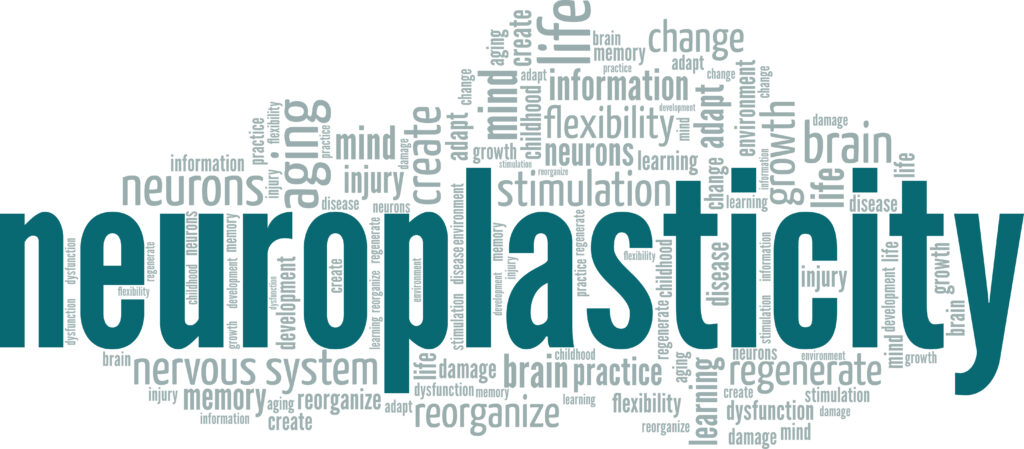
In Ketamine-Assisted Psychotherapy (KAP), the emphasis is on psychotherapy—often called “talk therapy.” In KAP, the client, not the medicine, is doing the work of healing trauma, learning new thought patterns, and practicing new behaviors. This kind of therapy is person-centered, not medicine-centered. Sessions focus on conversation, reflection, and the client’s treatment goals, which is why preparation and integration are essential parts of KAP. During a medicine session (when the client takes ketamine), the therapist is present as a calm, supportive guide. Even then, it is still the client who is doing the inner work. Our goal is not only to ease distressing feelings in the moment, but also to help clients change thoughts and behaviors so they can experience lasting improvement. To support this, we schedule integration sessions the day after medicine sessions, so clients can make use of the increased neuroplasticity—the brain’s ability to rewire itself—that ketamine provides.
Research shows that ketamine alone can improve symptoms of severe depression. However, providers who use this medicine-focused approach are relying on the drug itself to do most of the work. We call this a pharmacological approach because the medicine—not the client’s inner process—is the primary healing agent. Just as you might take an aspirin for a headache or an antidepressant for mood, this use of ketamine is primarily about reducing symptoms, not necessarily about deeper, long-term change.
Here’s a simple way to picture the difference. Imagine your brain is a radio that has become stuck on one channel. Symptom reduction is like turning the volume down on that channel—things feel quieter, but you are still listening to the same station. Lasting change, by contrast, is like changing the station entirely. That “channel change” happens by integrating new experiences, new thoughts, and new behaviors.
Ketamine is one of several psychedelic or psycholytic medicines that researchers are exploring for their ability to address post-traumatic stress disorder, substance use disorder, depression, anxiety, and obsessive-compulsive disorder. While ketamine is the only one of these medicines legally approved at this time in Alabama, we also offer preparation and integration for people considering psychedelic-assisted therapy in other states or countries.
If you’d like to speak with one of our providers about Ketamine-Assisted Psychotherapy (KAP), we’d be glad to answer your questions and help you decide whether this approach may be right for you. Please contact our office to schedule a consultation.
